
We understand that creating content that can outrank other websites requires a deep understanding of SEO. We have carefully studied the article at the URL you provided and have identified the key areas that we need to focus on in order to create content that can outrank it on Google.
In this article, we will cover the following topics:
What is on-page SEO and why is it important?
How to optimise your website for on-page SEO
Best practices for on-page SEO
The importance of tracking and monitoring your on-page SEO efforts
What Is On-Page SEO And Why Is It Important?
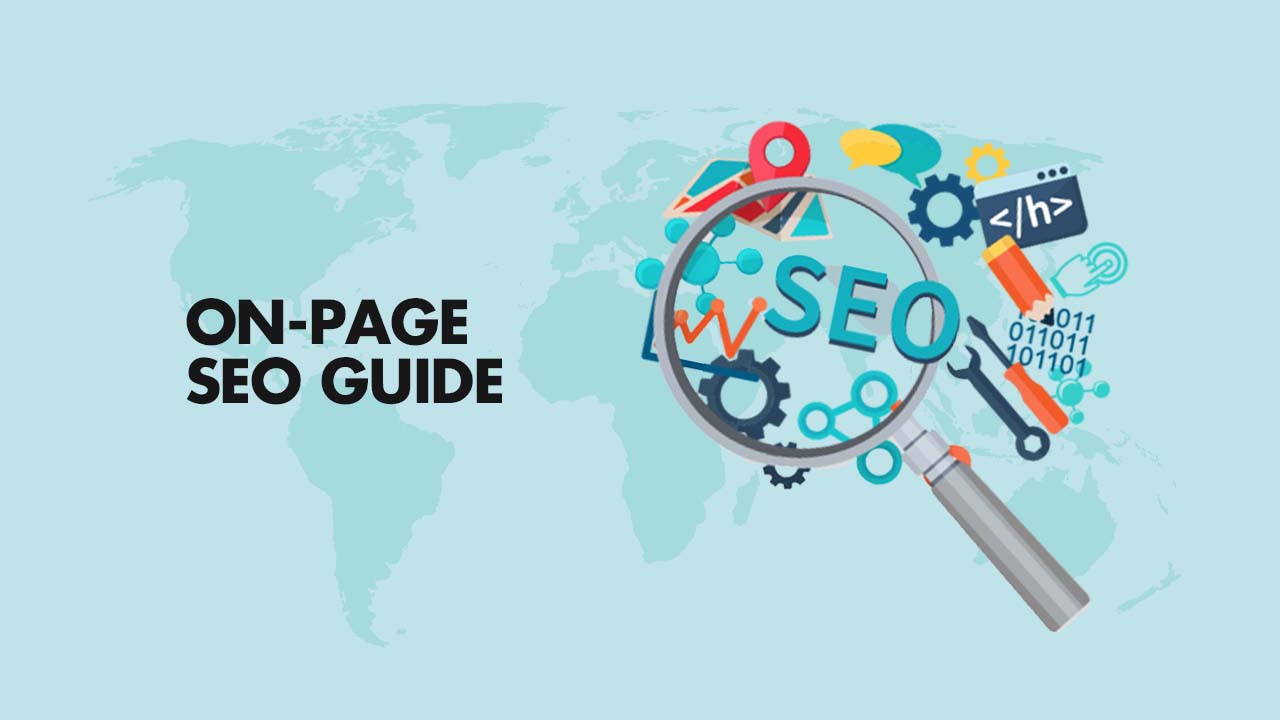
On-page SEO, also known as on-site SEO, refers to the practice of optimising individual web pages in order to rank higher and earn more relevant traffic in search engines. It involves optimising both the content and HTML source code of a page in order to make it more attractive to search engines.
On-page SEO is important because it is one of the key factors that search engines use to determine the relevance and quality of a web page. By optimising your pages for on-page SEO, you can improve your chances of ranking higher in search results, which can lead to increased traffic, leads, and sales for your business.
How To Optimise Your Website For On-Page SEO
Conduct keyword research: The first step in optimising your website for on-page SEO is to conduct keyword research. This involves identifying the keywords and phrases that your target audience is searching for in order to find your products or services. Once you have recognised these keywords, you can incorporate them into your content in a strategic and natural way.
Optimise your page titles and meta descriptions: The page title and meta description are two of the most important on-page SEO elements. They appear in the search results and provide a brief overview of what your page is about. Make sure that your page titles and meta descriptions are compelling and accurate, and include your target keywords.
Use header tags: Header tags (H1, H2, H3, etc.) are used to structure your content and make it easier for search engines to understand. Make sure that your page has a clear and logical hierarchy of headers, with the most important information in the H1 tag.
Optimise your content: When creating content for your website, make sure that it is high-quality, informative, and relevant to your target audience. Incorporate your target keywords naturally throughout your content, but avoid keyword stuffing, which can actually hurt your rankings.
Use internal linking: Internal linking refers to the practice of linking to other pages on your website from within your content. This can help to improve the structure of your website and make it easier for search engines to crawl and index your pages.
Best practices for on-page SEO
Create a sitemap: A sitemap is a file that lists all of the pages on your website. It helps search engines crawl and index your site more efficiently. Make sure that your sitemap is up-to-date and submitted to Google Search Console.
Make your website mobile-friendly: More and more people are using mobile devices to browse the web, so it is essential that your website is mobile-friendly. This means that it should be responsive and easy to use on smaller screens.
Improve your website speed: Website speed is an important ranking factor, as users expect fast-loading pages. Use tools like Google PageSpeed Insights to identify areas where you can improve your website speed.
Use schema markup: Schema markup is a type of code that can be added to your website to help search engines understand your content better. It can help to improve your search rankings and increase click-through rates.
The Importance Of Tracking And Monitoring Your On-Page Seo Efforts
Once you have optimised your website for on-page SEO, it is important to track and monitor your efforts in order to measure the impact and identify areas for improvement. Here are some key metrics that you should track:
- Organic traffic: This refers to the number of visitors that come to your website from organic search results. By tracking your organic traffic, you can measure the impact of your on-page SEO efforts and identify any trends or changes over time.
- Keyword rankings: By tracking your keyword rankings, you can see where your website ranks in search results for specific keywords. This can help you to identify areas where you need to improve your on-page SEO efforts.
- Bounce rate: Bounce rate refers to the percentage of visitors who leave your website after only viewing one page. A high bounce rate can indicate that your website is not engaging or relevant to your target audience.
- Time on site: This metric measures how long visitors spend on your website. By tracking time on site, you can see if visitors are engaging with your content and if they find it useful and relevant.
By tracking and monitoring these metrics, you can gain valuable insights into the effectiveness of your on-page SEO efforts and make data-driven decisions about how to optimise your website for even better results.